How liquid are Business Account investments?

TL; DR: Investments in a Business Account are less liquid than cash in a current account. ETFs trade every working day, so you can sell whenever you need to. There’s no…
29 May 2026

TL; DR: Investments in a Business Account are less liquid than cash in a current account. ETFs trade every working day, so you can sell whenever you need to. There’s no…
29 May 2026

Active ETFs are growing fast, with many UK investors beginning to explore how they can complement a passive investing approach. In this guide, we’ll break down what active ETFs are, …
27 May 2026

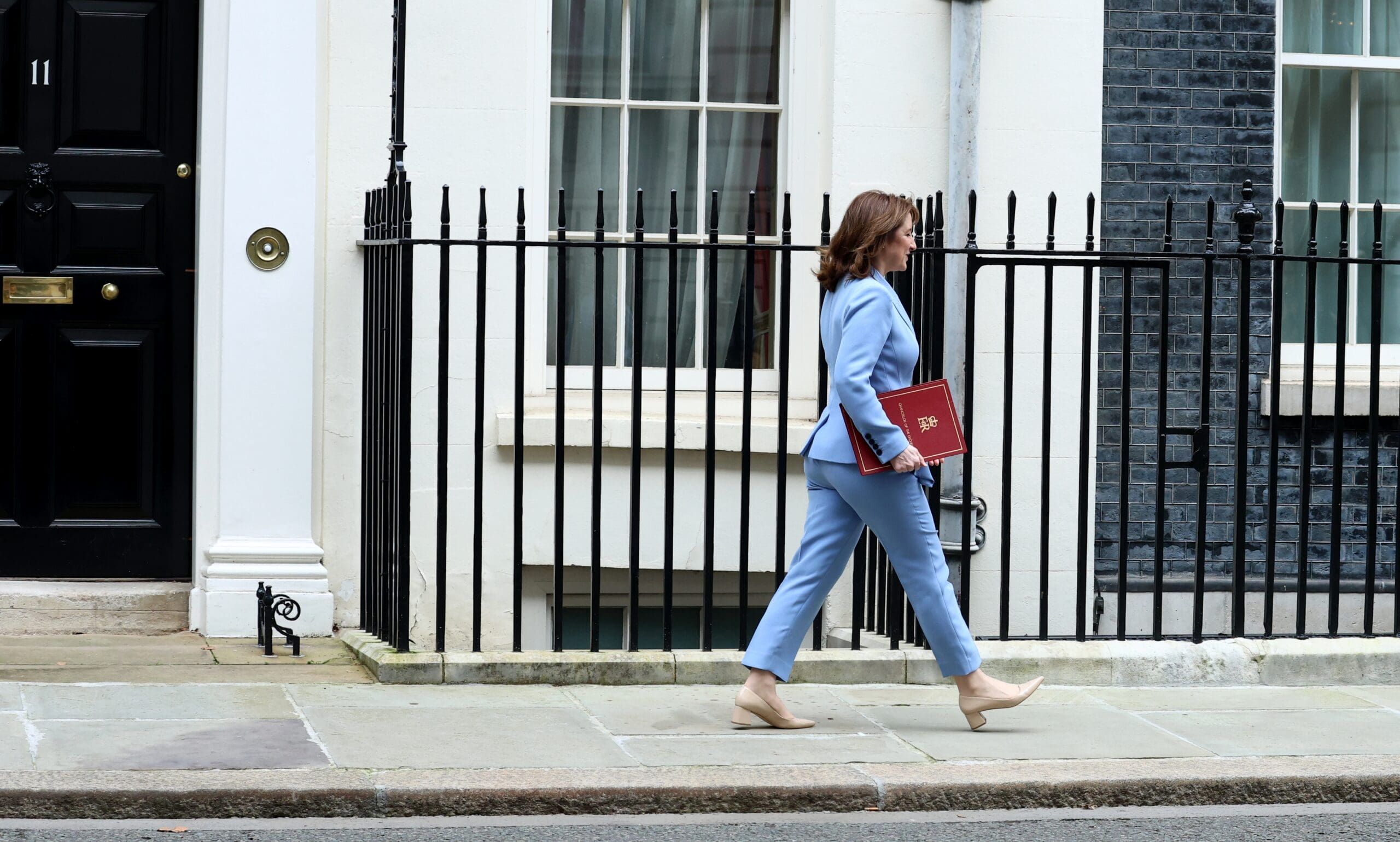
Rumours are circulating that Chancellor of the Exchequer Rachel Reeves is planning to impose a new 22% charge on interest earned from cash held in a Stocks and Shares ISA…
26 May 2026

TL; DR: Opening an InvestEngine Business Account is easy and available for UK limited companies (Ltd), LLPs and partnerships. To get started, you’ll need basic company details, ID for each director…
26 May 2026

TL; DR: An InvestEngine Business Account invests in exchange‑traded funds (ETFs). Lower‑risk options include Overnight Rate ETFs and bond ETFs, commonly used to park VAT, Corporation Tax money and short‑term operating…
26 May 2026

TL; DR: The InvestEngine Business Account is designed for UK limited companies (Ltd), Limited Liability Partnerships (LLPs) and partnerships that have surplus company cash to invest — sole traders typically use…
26 May 2026

TL; DR: Personal and business investing use the same investments but differ in ownership, available account types, tax treatment and reporting. Individuals can use ISAs, SIPPs and GIAs; UK businesses can…
26 May 2026

TL; DR: For a UK small business owner, a Business Account complements personal investing rather than replacing it. A typical stack is: a Stocks & Shares ISA (tax‑free growth and withdrawals, …
26 May 2026